Buy theflorist.eu ?
We are moving the project
theflorist.eu .
Are you interested in purchasing the domain
theflorist.eu ?
domain@kv-gmbh.de · 0541-91531010
Buy theflorist.eu ?
What is a possessive determiner?
A possessive determiner is a word that is used before a noun to show ownership or possession. Examples of possessive determiners include words like "my," "your," "his," "her," "its," "our," and "their." These determiners indicate who the noun belongs to or is associated with. **
Does French have the demonstrative determiner "cettes"?
No, French does not have the demonstrative determiner "cettes." The correct forms of the demonstrative determiner in French are "cette" for singular feminine nouns, "ce" for singular masculine nouns, and "ces" for plural nouns regardless of gender. "Cettes" is not a standard form in the French language. **

Similar search terms for - Determiner
Top-Angebote
Products related to - Determiner:
-
Advantage Flower Garden Pink Blossoms WallpaperA wild medley of flowers, with a few mushrooms, strawberry plants, and visiting lady bugs thrown into the mix, create an everlasting indoor garden. Seen here in vibrant shades of pink, raspberry, peach, aqua, and green against white.71,99 $*Shipping: 0,00 $Secure redirect to the provider
-
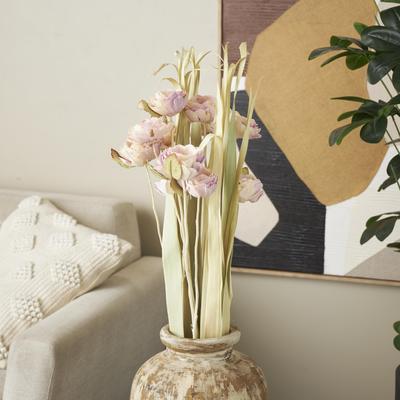
ARCILLA ELEMENTAL Pink Dried Plant Tall Home Decor Natural Foliage with Pink PetalsYou can incorporate this pink natural foliage into a living room, bedroom or office for an instant rustic charm. This item ships in 1 carton. Suitable for indoor use only. This item ships fully assembled in one piece. Made in India.42,99 $*Shipping: 0,00 $Secure redirect to the provider


-
What is a possessive determiner in French?
A possessive determiner in French is a word that indicates ownership or possession. It agrees in gender and number with the noun it is describing. Examples of possessive determiners in French include "mon" (my), "ton" (your), "son" (his/her/its), "notre" (our), and "leur" (their). These determiners are placed before the noun they modify. **
-
What is a possessive determiner in English?
A possessive determiner in English is a word that is used before a noun to show ownership or possession. Examples of possessive determiners include "my," "your," "his," "her," "its," "our," and "their." These determiners indicate who the noun belongs to or is associated with. Possessive determiners are an essential part of grammar as they help clarify relationships between people or things. **
-
Do you capitalize adjectives when they are preceded by a determiner?
In English, adjectives are not capitalized when they are preceded by a determiner. Determiners are words like "the," "a," "an," "this," "my," etc. Adjectives are only capitalized when they are at the beginning of a sentence or part of a proper noun. **
-
Do you write adjectives in capital or lowercase letters when there is a determiner before them?
Adjectives are typically written in lowercase letters when there is a determiner before them. Determiners such as articles (a, an, the), possessive pronouns (my, your, his), and demonstratives (this, that) are usually written in lowercase, while the adjective that follows them is also written in lowercase. This maintains consistency in sentence structure and follows standard grammar rules. **


Which evergreen plant blooms for a garden wall?
One evergreen plant that blooms beautifully for a garden wall is the climbing hydrangea (Hydrangea petiolaris). This plant features large, white, lacecap flowers that bloom in the summer, adding a touch of elegance to any garden wall. Its lush green foliage remains on the plant year-round, providing a lovely backdrop even when not in bloom. The climbing hydrangea is a great choice for adding color and texture to a garden wall while also providing a natural, climbing element to the space. **
What blooms first in your garden in spring?
In my garden, the first thing to bloom in spring is usually the crocuses. These small, colorful flowers pop up early in the season, bringing a burst of color after the winter months. Their cheerful blooms are a welcome sight and signal the start of a new growing season in the garden. **
Top-Angebote
Products related to - Determiner:
-
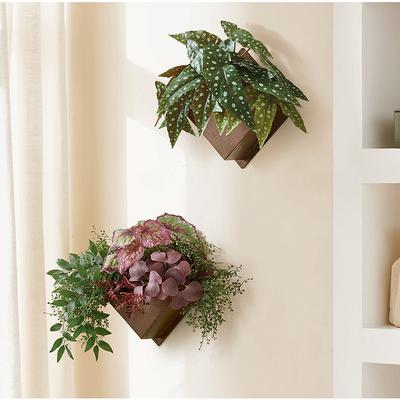
Fall Wall Hanging Arrangements - Mixed Greenery - Grandin RoadChic artificial greenery accent for indoors . Greenery remains lifelike for seasons with no maintenance . Diamond-shaped vessel adds a subtle shine in antiqued bronze tones . Arrangement hangs flat against wall with incorporated keyhole at back ....69,00 $*Shipping: 14,95 $Secure redirect to the provider
-
Advantage Flower Garden Pink Blossoms WallpaperA wild medley of flowers, with a few mushrooms, strawberry plants, and visiting lady bugs thrown into the mix, create an everlasting indoor garden. Seen here in vibrant shades of pink, raspberry, peach, aqua, and green against white.71,99 $*Shipping: 0,00 $Secure redirect to the provider
-
What is a possessive determiner?
A possessive determiner is a word that is used before a noun to show ownership or possession. Examples of possessive determiners include words like "my," "your," "his," "her," "its," "our," and "their." These determiners indicate who the noun belongs to or is associated with. **
-
Does French have the demonstrative determiner "cettes"?
No, French does not have the demonstrative determiner "cettes." The correct forms of the demonstrative determiner in French are "cette" for singular feminine nouns, "ce" for singular masculine nouns, and "ces" for plural nouns regardless of gender. "Cettes" is not a standard form in the French language. **
-
What is a possessive determiner in French?
A possessive determiner in French is a word that indicates ownership or possession. It agrees in gender and number with the noun it is describing. Examples of possessive determiners in French include "mon" (my), "ton" (your), "son" (his/her/its), "notre" (our), and "leur" (their). These determiners are placed before the noun they modify. **
-
What is a possessive determiner in English?
A possessive determiner in English is a word that is used before a noun to show ownership or possession. Examples of possessive determiners include "my," "your," "his," "her," "its," "our," and "their." These determiners indicate who the noun belongs to or is associated with. Possessive determiners are an essential part of grammar as they help clarify relationships between people or things. **
Similar search terms for - Determiner
-
ARCILLA ELEMENTAL Pink Dried Plant Tall Home Decor Natural Foliage with Pink PetalsYou can incorporate this pink natural foliage into a living room, bedroom or office for an instant rustic charm. This item ships in 1 carton. Suitable for indoor use only. This item ships fully assembled in one piece. Made in India.42,99 $*Shipping: 0,00 $Secure redirect to the provider
-
Dr. Botanicals Dr Botanicals Classic Tropical Invigorating Cream 50mlThe Dr Botanicals Tropical Invigorating Cream will boost your glow, nourish and hydrate. A lightweight cream formulated with elderflower to protect and repair the skin. This refreshing moisturiser in 50ml tube is a just perfect size to take to your summer holidays, pack to your festival purse or just refresh your skin after a sunny day out. This cream is excellent moisturiser and skin nourisher containing Elderflower, Chamomile and Aloe Vera that will refresh and soothe your skin. Ideal for all skin types. Light cream Extra light moisturiser for day & night Nourish, hydrate and restore Formulated for sensitive skin Contains Elderflower, Aloe Vera and Chamomile Evens and balances skintone for truly flawless cover Protects against free-radical damage Calms and soothes irritated skin 100% Cruelty free and Vegan What the key ingredients are effective for: Elderflower - aims to hydrate and protect from free radical stress Aloe Vera - aims to moisturise and soothe irritated skin Chamomile - aims to balance and soothe irritate skin Ingredients Aqua (water), Rosa Damascena Flower Water, Glycerin, Glyceryl Strearate SE, Cetearyl Alcohol, Strearic Acid, Cocos Nucifera (coconut) oil, Aloe Barbadensis (Aloe Vera) Leaf Extract, Isoceteth-20, Phenoxyethanol, Polyacrylamide, Benzyl Alcohol, Carbomer, C13-14 Isoparaffin, Sodium Hydroxide, Tocopherol, Laureth-7, Ethylhexylglycerin, Disodium EDTA, Dehydroacetic Acid, Anthemis Nobilis (Chamomile) Flower Extract, Lecithin, Avena Stringosa Seed Extract, Gardenia Tahitensis (Tiare) Flower Extract, Parfum (Fragrance), Sambucus Nigra Flower Extract, Benzyl Salicylate, Potassium Sorbate, Hexyl Cinnamal, Limonene, Sodium Benzoate.17,99 £*Shipping: 0,00 £Secure redirect to the provider
-
Dr. Botanicals Dr Botanicals Classic Cocoa Noir Sensuous Cream 50mlA lightweight hydrating cream with a sensuous cocoa scent. Coconut oil is high in antioxidants and fatty acids that work to hydrate, restore and protect the skin. Tiare Flower Extract works to deeply hydrate and nourish the skin Ingredients Aqua (Water), Glycerin, Glyceryl Stearate SE, Cetearyl Alcohol, Stearic Acid, Cocos Nucifera (Coconut) Oil, Isoceteth-20, Phenoxyethanol, Benzyl Alcohol, Carbomer, Polyacrylamide, Parfum (Fragrance), C13-14 Isoparaffin, Disodium EDTA, Ethylhexylglycerin, Dehydroacetic Acid, Coumarin, Laureth-7, Gardenia Tahitensis (Tiare Flower) Extract, Alpha-isomethyl Ionone, Limonene.17,99 £*Shipping: 0,00 £Secure redirect to the provider
-
Do you capitalize adjectives when they are preceded by a determiner?
In English, adjectives are not capitalized when they are preceded by a determiner. Determiners are words like "the," "a," "an," "this," "my," etc. Adjectives are only capitalized when they are at the beginning of a sentence or part of a proper noun. **
-
Do you write adjectives in capital or lowercase letters when there is a determiner before them?
Adjectives are typically written in lowercase letters when there is a determiner before them. Determiners such as articles (a, an, the), possessive pronouns (my, your, his), and demonstratives (this, that) are usually written in lowercase, while the adjective that follows them is also written in lowercase. This maintains consistency in sentence structure and follows standard grammar rules. **
-
Which evergreen plant blooms for a garden wall?
One evergreen plant that blooms beautifully for a garden wall is the climbing hydrangea (Hydrangea petiolaris). This plant features large, white, lacecap flowers that bloom in the summer, adding a touch of elegance to any garden wall. Its lush green foliage remains on the plant year-round, providing a lovely backdrop even when not in bloom. The climbing hydrangea is a great choice for adding color and texture to a garden wall while also providing a natural, climbing element to the space. **
-
What blooms first in your garden in spring?
In my garden, the first thing to bloom in spring is usually the crocuses. These small, colorful flowers pop up early in the season, bringing a burst of color after the winter months. Their cheerful blooms are a welcome sight and signal the start of a new growing season in the garden. **
* All prices are inclusive of VAT and, if applicable, plus shipping costs. The offer information is based on the details provided by the respective shop and is updated through automated processes. Real-time updates do not occur, so deviations can occur in individual cases. ** Note: Parts of this content were created by AI.